Summer heat does more than strain engines and hydraulics. It turns tires into a hidden hazard on every jobsite.
Asphalt surface temperatures can exceed 60°C in direct summer sun. Tires operating on these surfaces absorb heat continuously. Internal tire pressure rises. Rubber compounds soften and weaken. At the same time, the load-bearing capacity of the tire drops. The combination creates ideal conditions for blowouts—especially on loaders, backhoes, and other rubber-tired equipment that carry heavy loads at low speeds.
The most dangerous response to an overheated tire is also the most common: releasing air to lower pressure, or pouring cold water on the tire to cool it down. Both actions cause sudden pressure and temperature changes. Rapid decompression can crack the tire bead or damage the rim. Cold water on a hot tire causes uneven contraction that weakens the rubber structure. Manufacturer safety guidelines from SEM and XCMG explicitly prohibit both practices.
The correct procedure is simple. Park the machine in a shaded area and allow tires to cool naturally. Never bleed air from a hot tire—pressure readings taken when hot are inaccurate, and releasing air may leave the tire underinflated once it cools. Check pressure only when tires are cold, typically before the machine starts work in the morning. Regular inspection for punctures, embedded debris, and valve stem leaks prevents slow pressure loss that goes unnoticed until failure.
For fleet managers, tire maintenance is not a seasonal afterthought. It is a daily discipline. Proper cooling, correct cold pressure, and routine inspection extend tire life, prevent downtime, and protect operators from the dangerous consequences of a blowout at full load.
Summer Heat and Excavator Cooling Systems — Why Coolant Matters More Than You Think
507View · 2026-07-22
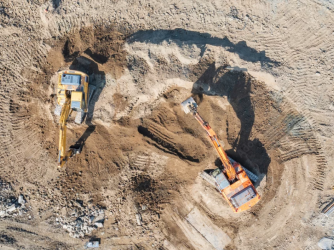
Ultrasonic Test Detects Track Spring Fatigue Before Catastrophic Failure
724View · 2026-06-11
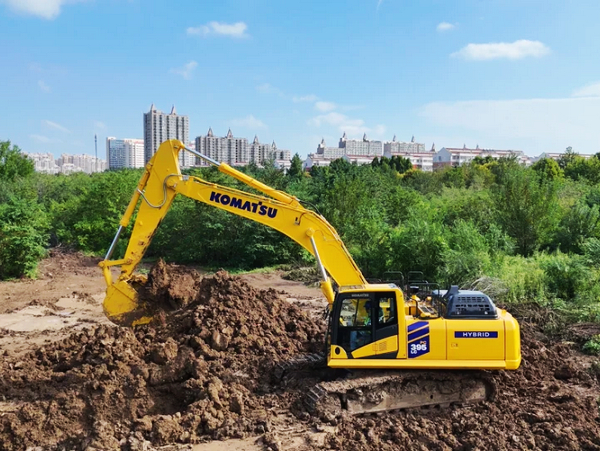
KOMATSU Hybrid Excavators Power Green Mining in China
677View · 2026-05-19
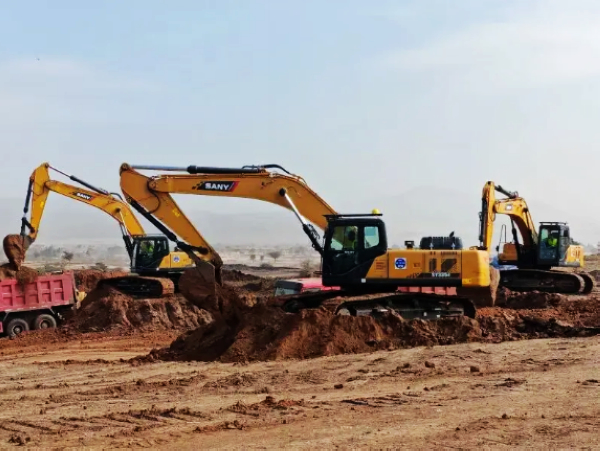
SANY Supports Africa’s Largest Airport Project in Ethiopia
2014View · 2026-04-21
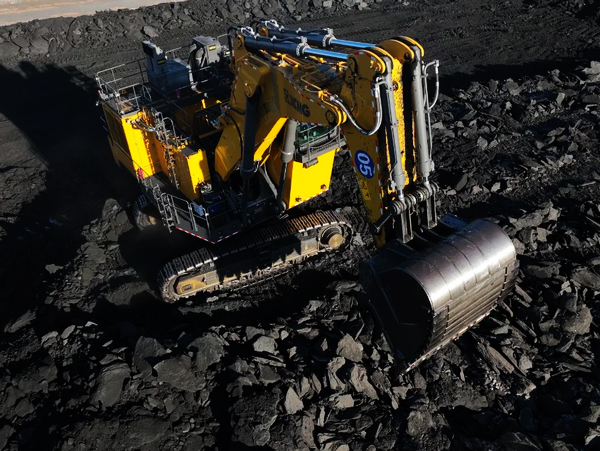
XCMG XE2000 Excavator Achieves 7,500 Annual Operating Hours
1589View · 2026-03-20

XCMG XGH5251TCXZ6 Snow Removal Truck Safeguards Winter Mobility
928View · 2026-02-27

BYD Launches World’s First Mass-Produced Sodium-Ion Forklift
2710View · 2026-01-21

ZOOMLION Crane Technology Powering Reliable Lifting on Construction Sites
1275View · 2025-12-25

SUNWARD SWDE165B Heads to North America
1117View · 2025-11-24
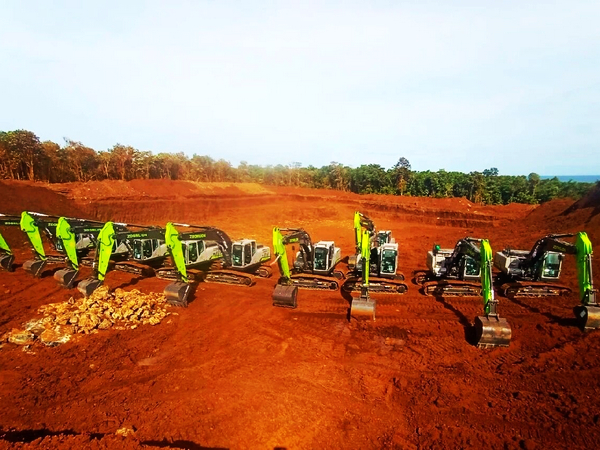
ZOOMLION Excavators Power Philippine Mining Project
1363View · 2025-09-22
2026-09-18
2026-09-04
2026-07-08
2026-06-18
2026-06-09
2026-04-30
2026-08-20
2026-08-20
2026-08-15
2026-08-14
2026-08-08
2026-07-31
+86-731-8512-4418
+86-731-8512-4418
+86-136-6162-6401
+86-159-2141-2075
Suite 35018, Tower T3, CFC Fuxing World Financial Center, No. 303, Section 1, Furong Middle Road, Kaifu District, Changsha, Hunan Province, China